
What Happens When Your Missionary Comes Home: A Family Adjustment Guide
The homecoming is joyful — but the weeks and months after are often more complex than families expect. This guide covers what to expect, common adjustment challenges, and how to support your returned missionary well.
When a missionary comes home, expect a complex adjustment period lasting at least a year—not the quick return to normal most families anticipate. The returned missionary may experience reverse culture shock, loss of identity and purpose, sensory overload from unstructured choices, and grief for companions and investigators left behind. Families help most by giving space, maintaining regular low-pressure family rhythms, helping with practical re-entry logistics, and avoiding comparisons or pressure about dating and career timelines.
The Homecoming You've Been Waiting For
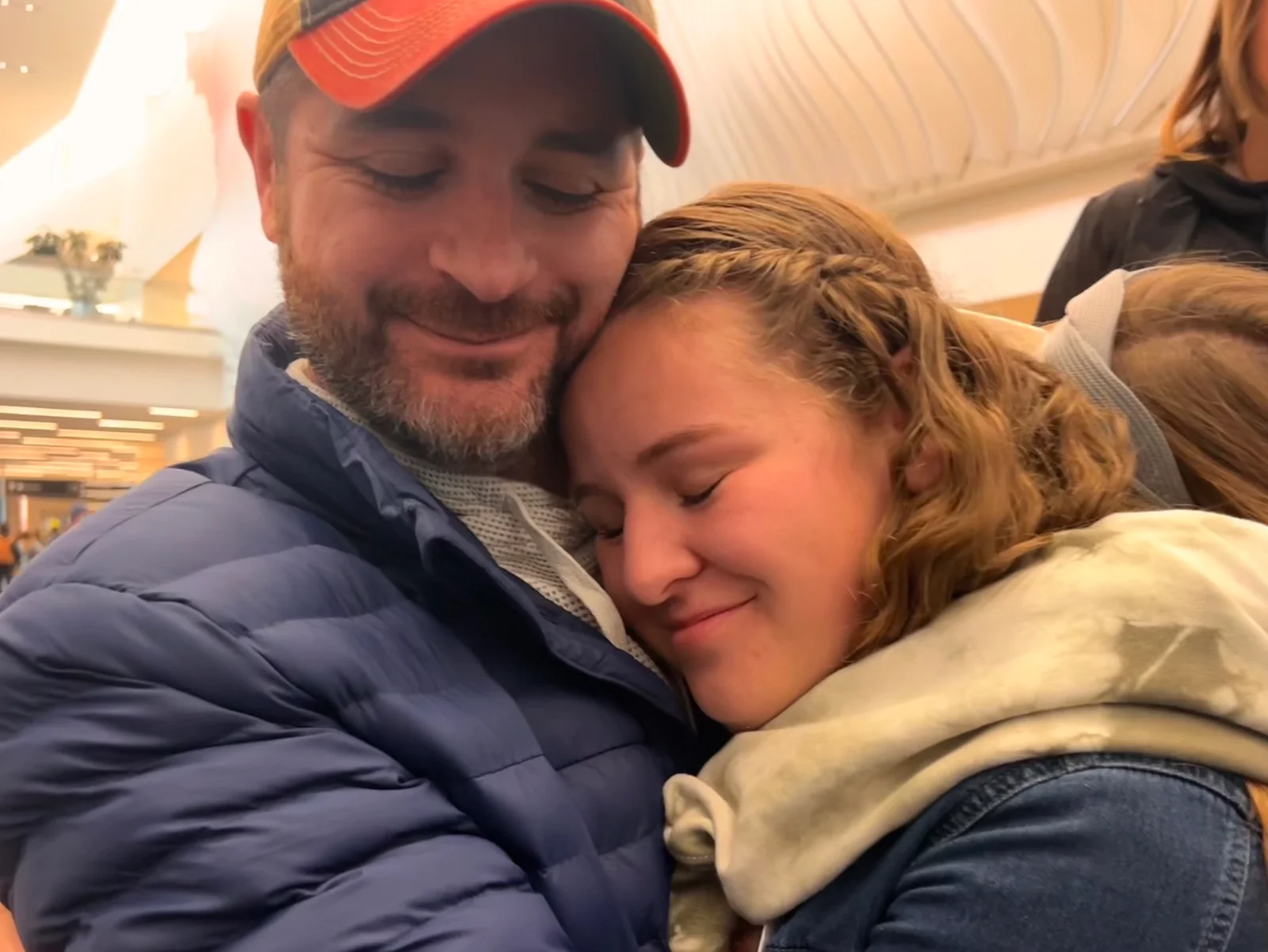
You've counted down the days, prepared the bedroom, planned the welcome-home meal, and told everyone on your contact list. When that missionary walks through the arrivals gate, it is one of the most emotionally charged moments a family can experience.
And then — within days, sometimes hours — something unexpected happens. The person who came home is not quite the one who left. They don't laugh at the same things, aren't interested in the same shows, seem distracted or restless, and are simultaneously trying to be present with family while processing the loss of a world they loved deeply. The missionary who was on fire for the work is now sitting at the dinner table, unsure what to say.
This is normal. It has a name. And understanding it in advance is one of the most important things a family can do to support a returned missionary through one of the most disorienting transitions of young adulthood.
What to Expect in the First Week Home
The first week is almost always a flood of contradictions. Your missionary will be exhausted and wired at the same time. Overwhelmed by the stimulation of regular life — social media, choices in a grocery store, television — and also hungry to reconnect with everything they missed. Here is what families typically experience:
Jet lag and physical adjustment
International missionaries are often traveling for 24–36 hours before they arrive home. The physical exhaustion is real. Resist the temptation to immediately fill the calendar. The first 48 hours should prioritize sleep and food in familiar surroundings.
Emotional contradiction
Your missionary may cry without clear cause, laugh at inappropriate moments, or seem emotionally flat in situations you expected them to be overjoyed. They are grieving the mission — the companions, the investigators, the members, the purpose — while simultaneously re-entering a world that moved on without them. Both are real at once.
Sensory overload
Mission life is structured and relatively simple. Home life for a returning American missionary involves an enormous number of unstructured choices — what to eat, what to watch, who to contact, what to do with open time. This can feel paralyzing, not luxurious.
The homecoming talk
Most returned missionaries speak in sacrament meeting within one or two weeks of arriving home. This creates immediate pressure during an already intense period. Help your missionary protect time for preparation, and keep the surrounding social obligations as light as possible.
A Timeline of Typical Adjustment Phases
Research on missionary reentry — including studies published in the Missio Dei Journal and work from missionary care professionals — consistently shows that adjustment takes significantly longer than most families expect. The adjustment process takes at least a year; some specialists put full re-acculturation at up to two years.
Phase | Typical Timeframe | What It Looks Like | What Families Can Do |
|---|---|---|---|
Honeymoon | Days 1–14 | Joy, excitement, everything is wonderful. Family reunions, favorite foods, comfortable bed. | Celebrate without overloading. Protect sleep and rest. Keep gatherings warm but manageable. |
Disorientation | Weeks 2–8 | Restlessness, difficulty sleeping, emotional variability, sense that home doesn't fit anymore. May withdraw from family or struggle to articulate what's wrong. | Normalize the experience. Don't interpret withdrawal as rejection. Give space and gentle, regular invitations to connect. |
Reconstruction | Months 2–6 | Beginning to re-engage with school, work, or dating. Still processing mission experiences. May seek out other returned missionaries or mission alumni groups. | Support structure: a regular schedule, a goal or enrollment, social connections that don't require explaining the mission constantly. |
Integration | Months 6–18 | Mission experience becomes part of identity rather than the whole identity. New direction in education, career, or relationships takes shape. Spiritual habits stabilize. | Celebrate milestones. Continue showing interest in their mission experiences without requiring them to be defined by it. |
Common Adjustment Challenges
Reverse culture shock
As researchers at the International Mission Board document, reverse culture shock — the disorientation of returning to one's home culture — is often more intense than the original culture shock of arriving in a new country. Your missionary spent 18–24 months learning to navigate a different world. Coming home to the familiar is not as easy as it sounds because they have changed, even though home hasn't.
Common manifestations: frustration at American consumerism or wastefulness, impatience with shallow conversations, irritation at former friends who seem uninterested in spiritual things, or a feeling of being misunderstood by people who love them.
Loss of identity and purpose
On a mission, identity is clear: I am a missionary. I know my purpose. I know my schedule. I know what matters. Coming home strips that clarity away instantly. One day your missionary is Elder or Sister [Name], representative of Jesus Christ. The next day they are a 20-year-old trying to register for college classes.
This loss of purpose is one of the hardest reentry challenges, and it is often underestimated by families who assume the missionary is simply glad to be done. Many returned missionaries describe this period as their most spiritually vulnerable.
Social reintegration
Friends from before the mission are now one to two years ahead in education, relationships, and social circles. Some friendships will naturally resume; others have moved on in ways that feel painful. Romantic relationships that were "waiting" may now be complicated or over. The social landscape is different, and learning to navigate it again takes time.
The pressure to be "on fire"
Ward members, family friends, and extended family sometimes have high expectations for returned missionaries — expecting constant testimony bearing, spiritual authority, and missionary fervor in every conversation. This pressure can be suffocating during a period when the returned missionary is struggling to find their footing. Help shield them from unrealistic social expectations during the first several months.
How to Support Without Smothering
The instinct of missionary parents — especially moms who have spent two years in prayer and support mode — is to pour that energy into the returned missionary's adjustment. This is love. But it can tip into over-involvement in ways that actually slow the adjustment process.
Things that genuinely help:
Asking open-ended questions about their mission without requiring performance: "What do you miss most?" not "Tell everyone about your best baptism."
Creating regular, low-pressure family time — dinner together, Sunday activities — that doesn't demand emotional labor from the returned missionary.
Helping them set up the practical scaffolding of re-entry: a bank account, a driver's license renewal, school enrollment, a gym membership. These logistical tasks feel overwhelming and your help is genuinely needed.
Giving them permission to grieve the mission. It is a real loss. Treating it as one is the most honest and supportive response.
Connecting them with other returned missionaries from your ward or stake who are in the same phase. Peer connection is often more effective than parental support for processing reentry.
Things to avoid:
Treating every mood fluctuation as a problem to solve.
Making family decisions about their future — school, housing, career direction — without their input and leadership.
Comparing them to other returned missionaries who "adjusted so quickly."
Expecting them to immediately resume the family role they held before they left — that role may have shifted, and pushing them into it too quickly creates friction.
Projecting your own adjustment timeline onto theirs.
Dating and Social Reintegration
Dating is often one of the most charged topics for returned missionaries and their families. The expectation — from the Church, from families, from the returned missionary themselves — is that serious dating and eventual marriage follows mission service relatively quickly. This creates real pressure.
A few grounded realities:
Most returned missionaries are not immediately ready for serious dating in the first one to three months home. The emotional and identity work of reentry needs some space before romantic relationships can be navigated well.
The social circle has shifted. Many friends from before the mission are in different relationship stages. New connections — often at Institute, at a university ward, or through mission alumni networks — are often more natural starting points.
Pressure from family or ward members about dating timelines is consistently reported by returned missionaries as unhelpful. Express your hopes warmly once; then let it go.
Education and Career Next Steps
The Church's own resource, My Plan for Returned Missionaries, outlines a structured process for returned missionaries to set educational and career goals. Many stakes now offer returned missionary groups facilitated by institute coordinators to help with this transition.
Practical guidance:
If your missionary already had a college plan in place before their mission, help them reconnect with that plan promptly. Delayed enrollment creates additional drift.
If they are unsure of direction, give them one semester to stabilize before pressing for a major or career decision. A part-time job and one or two general education classes can provide structure without forcing premature decisions.
Language skills acquired on the mission are a genuine asset — help them think about how to formalize those skills (language certification, major, minor) before they fade.
Keeping the Mission Spirit Alive
The mission does not end when the missionary comes home — it integrates. Families that help returned missionaries maintain the spiritual habits they built on their mission — daily scripture study, consistent prayer, meaningful church service — see faster and smoother integration than those who let structure collapse in the first months home.
Preserve the weekly rhythm: a regular family home evening, Sunday dinner together, consistent church attendance as a family create scaffolding that supports spiritual continuity.
Support a meaningful calling: a young returned missionary placed in a calling that uses their skills and spiritual growth — Sunday School teacher, young men/women leader, ward missionary — maintains purpose and contributes to the ward community.
Keep the story alive: The mission is a chapter, not a closing. Reviewing their mission letters and journals with them — or with younger siblings — connects the mission experience to the ongoing family narrative.
Preserving the Mission Before the Memories Fade
In the flood of homecoming activity, one of the most common regrets of returned missionary families is that they didn't do more to preserve the written record. Weekly emails — sent home during the mission and often living in someone's inbox — are the richest firsthand account of what those two years were actually like. My Missionary Book captures every one of those emails automatically during the mission and turns them into a $149 hardbound keepsake book ready for the homecoming table. Families who start early never have to scramble to recover lost emails — the record is already there, organized and preserved, before the missionary walks through the door.
Frequently Asked Questions
How long does it take for a returned missionary to adjust to being home?
Research from missionary care professionals consistently suggests the adjustment process takes at least a year, with full re-acculturation often taking up to two years. The first two to eight weeks are typically the most disorienting. Families who understand this timeline are better equipped to offer patient, sustained support rather than expecting a quick return to normal.
What is reverse culture shock in returned missionaries?
Reverse culture shock is the disorientation returned missionaries experience when re-entering their home culture after an extended period abroad. Common symptoms include frustration with consumerism, difficulty finding meaningful connection with peers, a sense that home no longer fits, and grief for the people and purpose they left behind. It is often described as more intense than the original culture shock of arriving in a new country.
What should I not say to a returned missionary?
Avoid asking "So what are you going to do now?" repeatedly in the first weeks home, comparing them to other returned missionaries, expressing disappointment about dating or marriage timelines, and expecting them to perform mission stories on demand. The most helpful posture is patient, genuine curiosity — asking about their experience without requiring entertainment or spiritual performance.
How can families help a returned missionary re-engage with education or work?
Help with practical logistics: school registration, housing arrangements, and professional account setup. Connect them with the Church's returned missionary planning resources. Give them one semester of stability before pressing for long-term direction. Acknowledge and help them leverage specific skills — language, leadership, communication — developed during the mission.
Is it normal for a returned missionary to struggle spiritually after coming home?
Yes. Many returned missionaries describe the months immediately following their mission as their most spiritually vulnerable period. The loss of the mission's clear purpose, structure, and identity can lead to spiritual drift if not addressed. Helping maintain daily spiritual habits and providing a meaningful church calling significantly reduces this risk.